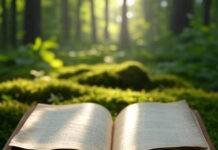



















Nature Books Every Eco-Lover Should Own……Okay. Confession time: the first time I ever pretended to read a “serious” nature book, I was 12, and it was a copy of Walden that my mom had sitting on a dusty side table. I cracked it open, read like… two sentences about ponds and beans, and thought, Nope. Too many big words. Back to Goosebumps.
But here’s the thing: somewhere along the way, those nature books—real ones, not just “assigned in English class and you fake an essay out of CliffsNotes” ones—started to actually matter to me. Like, keep-you-up-at-night, highlight-till-your-marker-dries, throw-in-your-backpack-for-a-random-road-trip matter. And if you’re even a little bit of an eco-lover (ugh, weird phrase, but you know what I mean), you’ve probably got your own version of that moment too.
That’s what this list is about. The top 10 nature books every eco-lover should own. And look, I’m not saying you actually have to buy them all—libraries exist. So do yard sales where you can haggle a hardback for 50 cents and a smile.
Anyway, let’s get messy.
1. Braiding Sweetgrass by Robin Wall Kimmerer
If you haven’t seen this one floating around Instagram with highlighted passages and dried flowers pressed between the pages, where have you been? Seriously.
This book isn’t just about plants—it’s about the relationship between people and plants. Robin Wall Kimmerer, who’s both a botanist and a member of the Citizen Potawatomi Nation, somehow writes about ecology with the same vibe your grandma would use telling you a bedtime story.
I read it on a camping trip once, and I swear, every time the wind hit the leaves around me I thought they were whispering, “Yep, she’s right. Pay attention.”
2. Pilgrim at Tinker Creek by Annie Dillard
This book is like sitting next to the weirdest, most brilliant neighbor who won’t stop pointing out bugs, shadows, pond scum, and making you feel guilty for not noticing them yourself. Annie Dillard just… notices things. And then writes them down in this way that makes you go, “Dang, should I also be staring at grasshoppers for 45 minutes?”
I read it in college and thought half the time, this woman is slightly unhinged, but also, she’s right about everything.
3. The Hidden Life of Trees by Peter Wohlleben
You know when you were a kid and you kinda did think trees talked to each other, like in The Lord of the Rings? Yeah, turns out you weren’t totally wrong.
Peter Wohlleben basically proves trees gossip underground, send food through their root systems, and even raise their kids. It’s science, but it’s also kinda adorable.
Fair warning: you’ll never look at a random maple tree in a Target parking lot the same way again.
4. Desert Solitaire by Edward Abbey
Abbey was basically that cranky uncle who yells about corporations but also knows how to fix your car. He worked as a park ranger in Arches National Park back before it was crawling with tourists, and Desert Solitaire is his love letter to solitude, red rocks, and being stubborn about protecting wilderness.
I read this one during a long Greyhound ride through Utah (don’t recommend the bus bathrooms, do recommend the book). Perfect combo.
5. A Sand County Almanac by Aldo Leopold
This one’s old. Like, written-in-the-40s old. But honestly? Still hits hard. Leopold was a conservationist before it was trendy, and he writes about things like hunting and farming with this mix of honesty and care that makes you feel both humbled and guilty for letting your houseplants die last week.
My copy has coffee stains. Pretty sure Aldo would approve.
6. Into the Wild by Jon Krakauer
Yes, yes—you’ve probably seen the movie with the Eddie Vedder soundtrack. But the book? Way messier. And way better.
It’s the story of Chris McCandless, who ditched everything to live in Alaska and… well, you probably know how it ends. But here’s the thing: it’s not just about one guy—it’s about that part of all of us that kinda wants to just throw our phone into a river and disappear into the woods. (I mean, at least until we realize there’s no Wi-Fi for streaming The Office reruns.)
7. H Is for Hawk by Helen Macdonald
This one is technically about falconry, but really it’s about grief, obsession, and trying to control something wild when your own life feels out of control. Helen trains a goshawk after her father dies, and it’s brutal and gorgeous at the same time.
I read it when I was going through a rough patch myself, and let’s just say I did not adopt a hawk—but I did start journaling more, which is like the same thing, minus the talons.
8. Last Child in the Woods by Richard Louv
This book basically yells: “HEY, KIDS NEED NATURE.” And honestly? He’s right.
If you’ve ever felt like you were turning into a screen zombie after scrolling TikTok for three hours, Louv explains why. He calls it nature-deficit disorder. Which sounds fake until you realize, yeah, kids (and adults) really do get kinda weird when they never climb a tree or roll in the dirt.
I gifted this to my sister when she had her first kid. Pretty sure it’s still sitting in her diaper bag under some Cheerios, but hey, the thought counts.
9. The Snow Leopard by Peter Matthiessen
This one is quiet. It’s about a trek through the Himalayas searching for a snow leopard, but really, it’s about looking for meaning when life feels slippery.
Matthiessen writes like he’s half monk, half travel writer, and reading it feels like being on a mountain even when you’re just lying on the couch with Doritos dust on your fingers.
10. The Overstory by Richard Powers
Okay, technically a novel, but listen—trees are the main characters. Actual, big, plot-driving, emotional trees.
This book made me cry about chestnut trees. Chestnut trees, which I didn’t even know were a thing five years ago.
If you only read one book on this list, make it this one. Just clear your calendar because it’s chunky and will consume you in the best/worst way.
Random Tangent Because Why Not about Nature Books Every Eco-Lover Should Own
When I was a kid, I once tried to build a “nature fort” in the backyard out of sticks and an old blanket. It collapsed in like five minutes. But I sat in there with my copy of Hatchet by Gary Paulsen (which, by the way, could’ve been #11 on this list if I cheated) and imagined I could survive in the wilderness forever. Spoiler: I couldn’t even survive mosquitoes.
But that’s the thing about nature books—they let you live those big, raw, muddy adventures without actually freezing your butt off in a lean-to.
So, Which One’s First?: Nature Books Every Eco-Lover Should Own
If I had to pick, I’d say start with Braiding Sweetgrass (gentle, grounding, magical), then swing to Desert Solitaire (salty, snarky, real). Balance, you know?
Or just grab whichever one your library doesn’t have a six-month waitlist for.
Because here’s the truth: nature books aren’t just “eco-lover” accessories—they’re reminders that the world is bigger, stranger, and more alive than our grocery lists and inboxes.
And sometimes, that reminder is exactly what keeps us going.
Outbound Link Suggestions:
Pop culture nod: Parks and Rec “Camping Episode”
Funny hiking mishaps blog: Tales of Trail Fails