






















Fashion books that changed the way we dress………You ever read something and then look at your closet like, “Wait. Have I been dressing wrong this whole time?” That’s exactly what happened to me the first time I cracked open a “fashion book” that wasn’t just glossy coffee-table fluff but actually made me rethink how I throw on a pair of jeans. (And yes, I’m the girl who once wore two different shoes to school. Eighth grade. Monday. Not on purpose.)
I’m not some chic Upper East Side fashion editor — I’m a Queens person. The L train is my runway, the bodega guy has seen my worst outfits. But over the years, I’ve stumbled on a handful of fashion books that really changed the way we dress, not just me, but like, culture-wide. They’re the kind of books that make you feel like you’re hanging out with a friend who knows what they’re talking about, but isn’t lecturing you.
Below are some of the ones that stuck to my ribs (or maybe my wardrobe?). And yeah, some of these are classics, some are messy, some are weird — just like my closet.
The Little Black Dress of Fashion Books: The Little Dictionary of Fashion by Christian Dior
I still remember finding this at a used bookstore near Astoria — the cover was dusty, like it had been sitting under someone’s bed since the ‘60s. But Christian Dior’s The Little Dictionary of Fashion is like your grandma’s old-school advice but chic. He breaks down everything from hats to handbags like it’s no big deal.
The thing is, this tiny book made me realize that fashion doesn’t have to be intimidating. Dior writes like he actually wants you to get it — like you’re at a dinner party and he’s leaning over saying, “Hey, don’t forget a good scarf can fix a bad day.”
The Vogue Factor by Kirstie Clements: The Unfiltered Backstage Gossip We Needed
Okay, so if Dior is the polite French uncle of fashion books, Kirstie Clements is the cool aunt who smokes outside the party and tells you the real story. The Vogue Factor is her memoir of running Australian Vogue and spilling the tea on what actually happens behind those glossy covers.
It made me think differently about how fashion media shapes what we wear. Like, the trends aren’t always “born” organically; they’re curated, packaged, sometimes pushed on us. Reading this while scrolling Instagram (aka the new Vogue) was kinda trippy.
If you’ve ever wondered how a random color (lime green, anyone?) ends up in every store one season, this book is like, “Here’s how.”
(Outbound link suggestion: A fun, gossipy fashion blog like Man Repeller archives to keep the vibe going.)
The Woman I Wanted to Be by Diane von Fürstenberg: Wrap Dresses and Life Lessons
When I was younger, I thought Diane von Fürstenberg was just the lady who made wrap dresses. Cute, but whatever. Then I read her memoir The Woman I Wanted to Be and suddenly I was like, “Okay, this is about way more than clothes.”
She writes about power, identity, reinvention — stuff you don’t expect in a “fashion” book. It’s messy and honest, and it made me look at my closet differently, like maybe what I wear can actually help me feel stronger.
There’s this one part where she talks about becoming the woman she wanted to be. I swear, I dog-eared that page and taped it to my mirror for weeks.
Alexander McQueen: Savage Beauty — The Dark Side of Pretty
This one’s technically an exhibition book (it came out with the MET show in 2011), but Alexander McQueen: Savage Beauty is one of the most mind-bending fashion books ever. It’s like opening a portal into another world where fashion isn’t just clothes, it’s art, pain, theater, nightmares.
I’ll be real: I flipped through this book at a friend’s apartment once, and some of the pieces actually gave me chills. Like, goosebumps. It’s heavy, dramatic, emotional — and it made me realize that fashion can also be about telling uncomfortable truths, not just being “cute.”
(Internal link suggestion: Link to your own blog post on “The Best Fashion Exhibitions to See in NYC” — keep people exploring your site.)
The End of Fashion by Teri Agins: Fashion books that changed the way we dress
This one’s like the documentary version of your favorite true-crime show but for the fashion industry. Teri Agins writes about how the old-school fashion houses lost control of trends to the rise of mass marketing, celebrities, and fast fashion.
When I read The End of Fashion, I started side-eyeing my own shopping habits. Like, did I really “discover” this style, or did some marketing intern decide this for me six months ago?
This book is older (1999), but it still feels relevant — especially now when you can buy a $9 dress that looks like it walked off a runway two weeks ago.
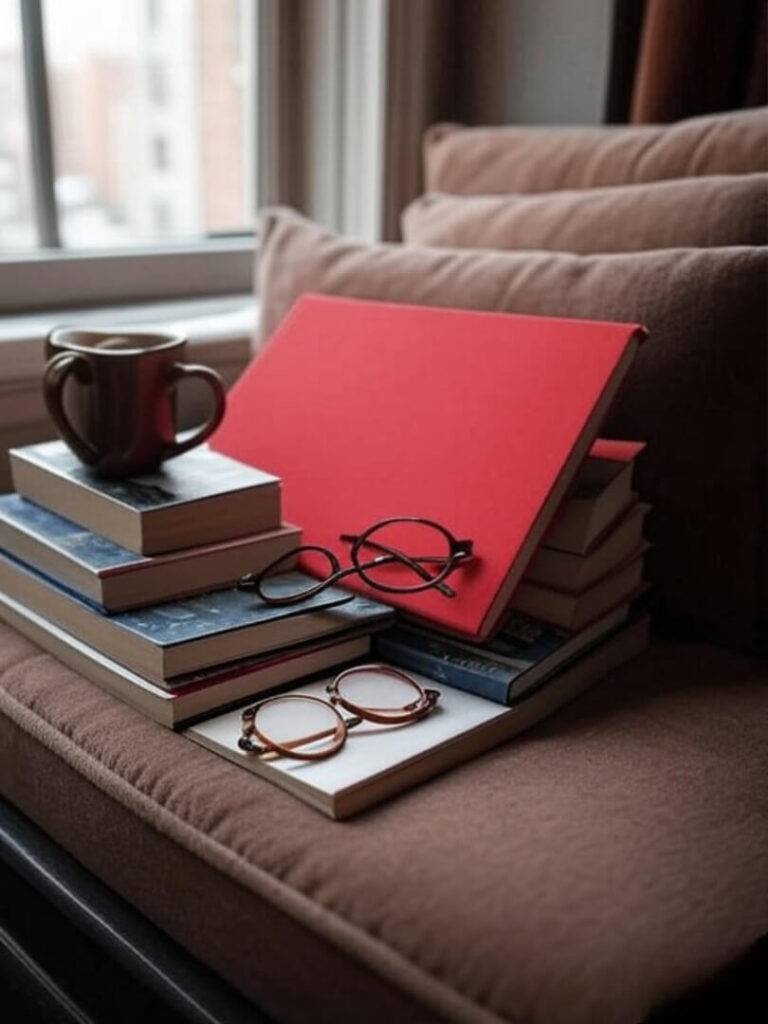
Why These Fashion Books Actually Matter
I’m not saying these books are magic spells that will make you dress like a Paris runway model overnight (although, imagine). But reading them shifted something in me. They made me:
- Think about why I wear what I wear.
- Respect the stories behind iconic designers.
- Spot the BS in marketing and trends.
- Appreciate fashion as more than just “stuff you put on your body.”
And honestly, they’re just fun reads. Like curling up with a friend who’s smarter than you but not trying to make you feel dumb.
Quick Hits: More Fashion Books That Changed How We Dress
Because I can’t help myself, here’s a speed-round list of other books worth checking out:
- Grace: A Memoir by Grace Coddington — the original “Devil Wears Prada” insider story.
- Chanel: Collections and Creations by Danièle Bott — a visual feast of Chanel’s evolution.
- Gods and Kings by Dana Thomas — the rise (and fall) of Alexander McQueen and John Galliano.
(Outbound link suggestion: The Business of Fashion — for people who like the behind-the-scenes industry talk.)
My Takeaway (or: Why My Closet Looks Different Now)
After reading these, I stopped treating clothes like random stuff I buy and more like… memories. Statements. Even a tiny rebellion. Like that time I wore mismatched shoes (again, not on purpose).
Fashion books aren’t just about learning “rules.” They’re about figuring out what matters to you and how you want to show up in the world — even if that means wearing something totally weird on the 7 train in Queens.
And maybe that’s the point: style isn’t about copying what you see. It’s about choosing what speaks to you.